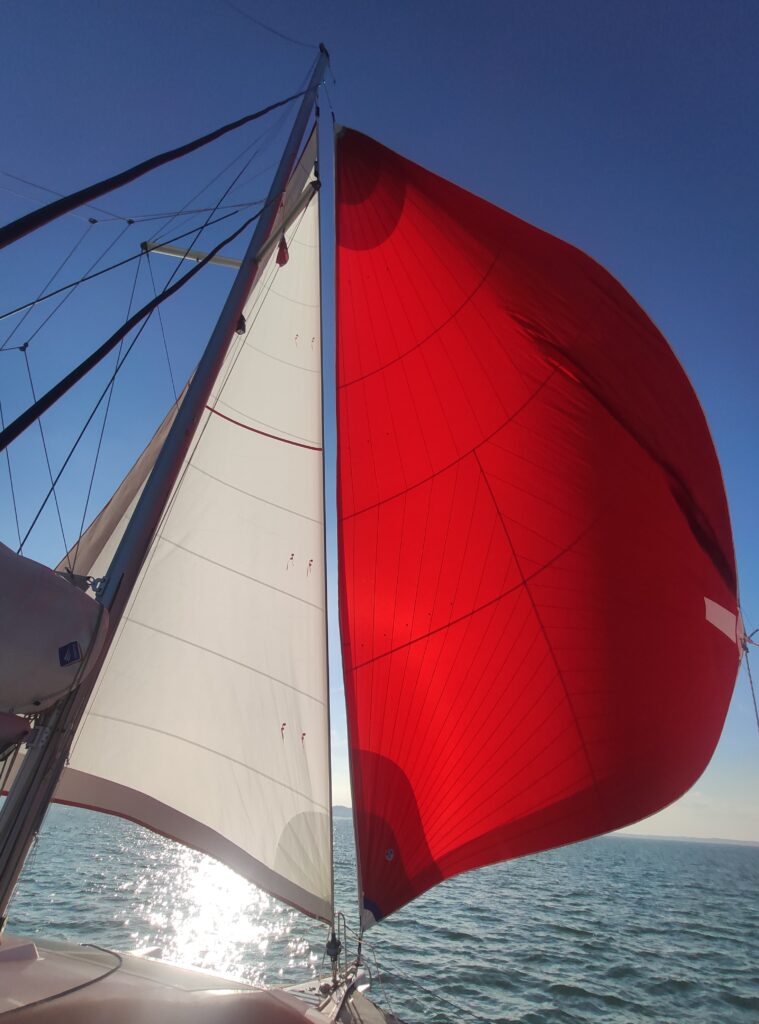
On Friday, 15th September we finally received our new Gennaker that we have been waiting for so long. A guy from North Sails, the company that made our sail, came by in the morning to drop it off. As there was almost no wind, he showed us the sail on the dock. It is quite simple to use and install compared to other downwind sails such as Spinnakers. When stored the sail is furled up, meaning that it is one big sausage that doesn’t blow around in the wind. You just attach the halyard to the head of the sail (the top corner), attach the furler (the part that rolls up the sail) to the bowsprit and attach the sheets to the clew (the back corner of the sail). You then pull up the halyard to get it into position. Finally, you take the furling line and tension it a bit. When unfurling it (open it up), you pull on one of the sheets and it fills with air and almost instantly blows up to its full size like a hot air balloon. The sail is now ready to be used.
The furling process is very interesting. As these types of Gennakers are quite new, we did not actually know beforehand how they work, and we were quite surprised by it. For a normal headsail, the luff of the sail (that is the forward-facing edge of the sail) is attached to the forestay, the metal wire which connects the mast with the bow of the ship. With a typical furling system, you put a plastic pipe around the forestay that is free to rotate and attach the luff to the pipe. On the bottom, you have a line that starts rotating this pipe and makes the sail furle around it. With our system, there is no such rigid pipe. What we have is an elastic rope that goes through the luff of the sail. When we start furling it up, we don’t let go of the sheet. The elastic rope starts to twist, but since it is not directly connected to the sail, nothing happens. You continue to turn the furler, until the elastic rope is under a lot of tension and you can’t turn it anymore, and then you let go of the sheet. All the stored energy in that rope is released at once, and the sail starts wildly to furl from top to bottom. After about one second, most of the sail is furled up and with only a little more twisting we can furl it away fully. This method of top-down furling is apparently much safer for downwind sails than the traditional ones.
The whole process of installation may sound complicated, but the good thing is that most of the preparation can be done while in harbour or at anchor, whereas with a normal Spinnaker you have to install a boom and many lines while on the water.
After successfully testing the Gennaker on the jetty, the guy from North Sails left and we got ready to head off. We planned to sail to Dartmouth through the night. This was going to be our first night passage and we thought it would be a good idea to try it out along the coast, where we could easily go to a port of refuge. The next night passage we would be doing was going to be across the English Channel, where we wouldn’t have the luxury of being close to a harbour.
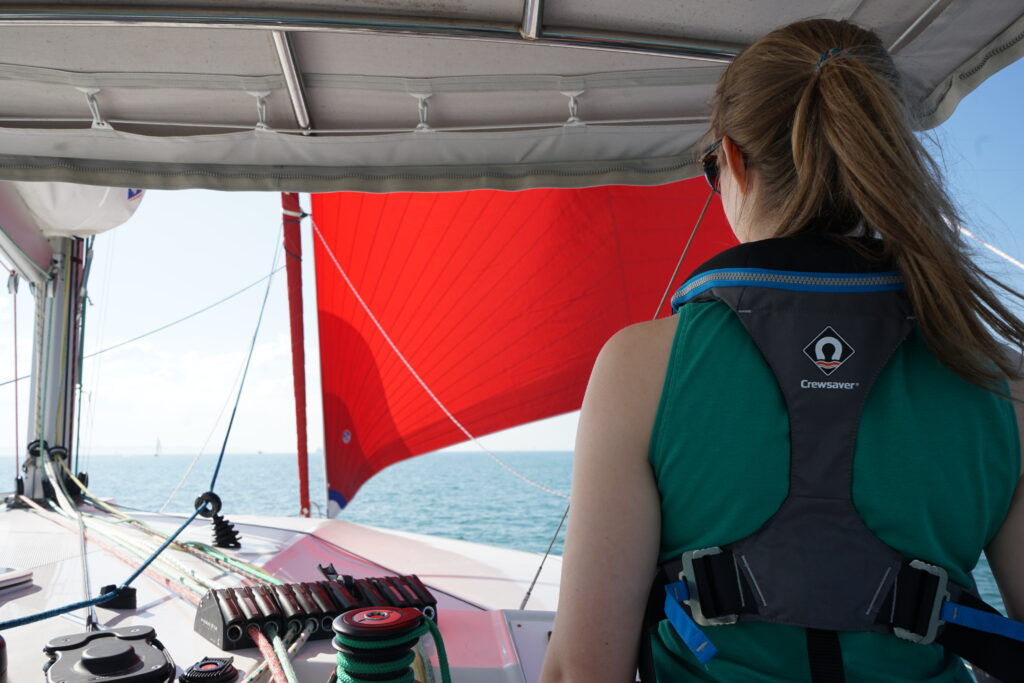
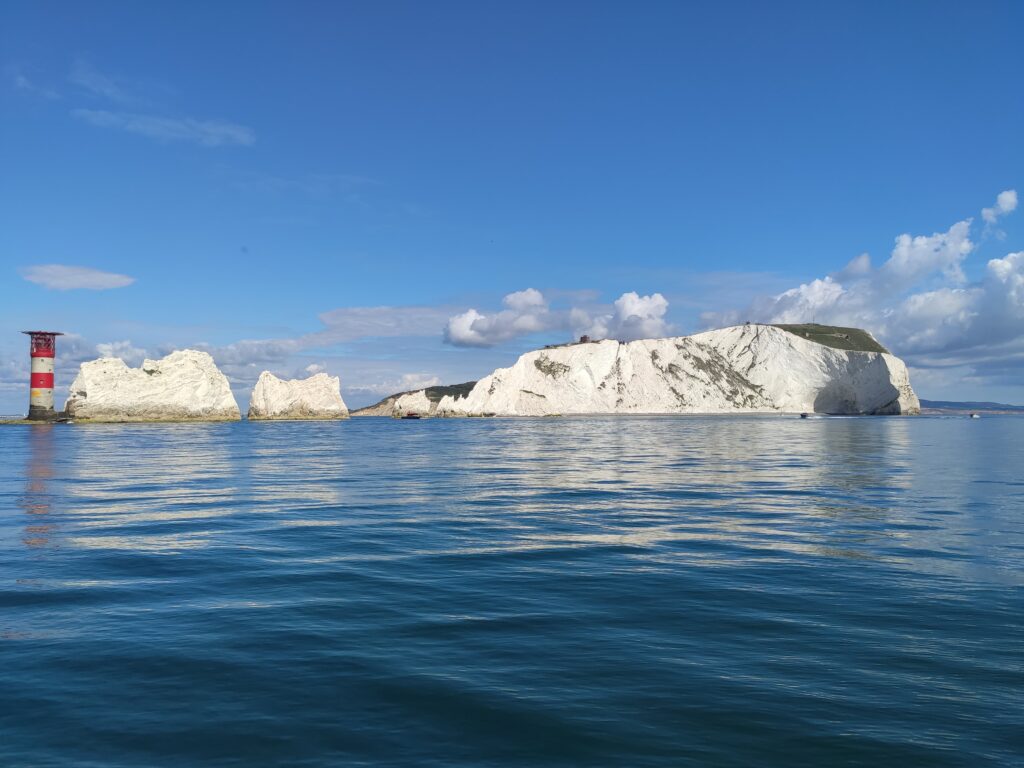
The wind was good if not a bit light, and we set off in the afternoon and tested our Gennaker on the water with perfect conditions to try it out. We even tried some unconventional setups, where we flew our Gennaker in butterfly position with the Genoa. That means that one sail flies to port (left side of the boat) and one sail to starboard (right side). With this setup, you can only sail dead downwind which is something you cannot do with your main sail up. Although we were quite slow with around 3 knots of boat speed, the Gennaker was performing very well in only 4 knots of wind. We easily won the race with all the other boats around us overtaking them all. But then the wind dropped even lower and with high water approaching the current turned against us we needed to drop our sails and turn on the motor. We really loved the Solent and it was a bit sad to leave, but as we have many unexplored waters waiting for us we sailed past the Needles for a last time.
The Needles, marking the entrance of the Solent.
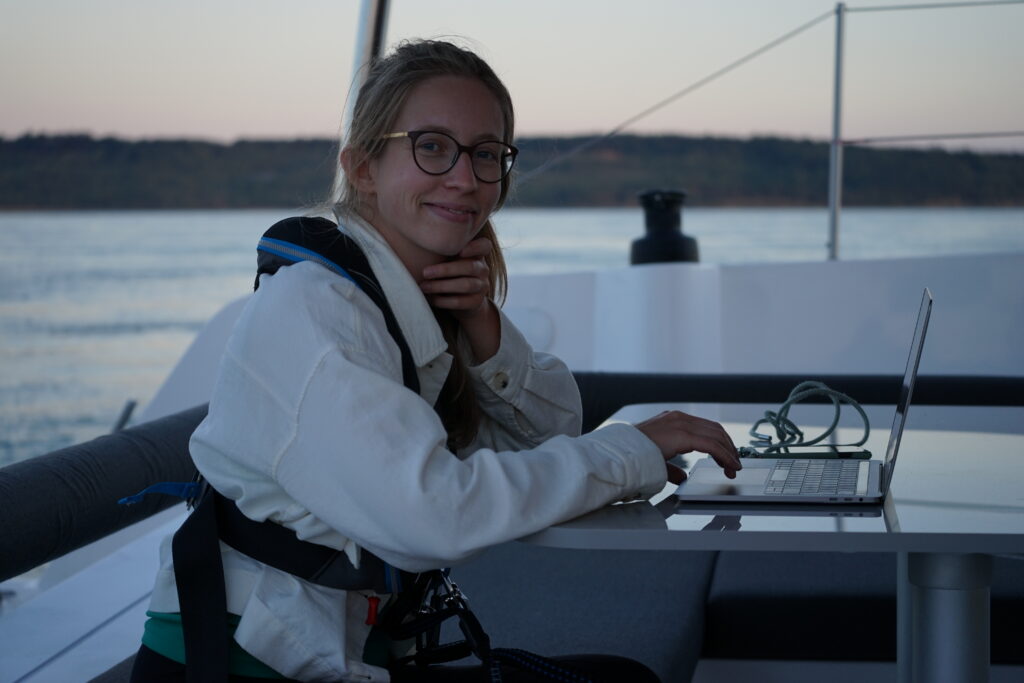
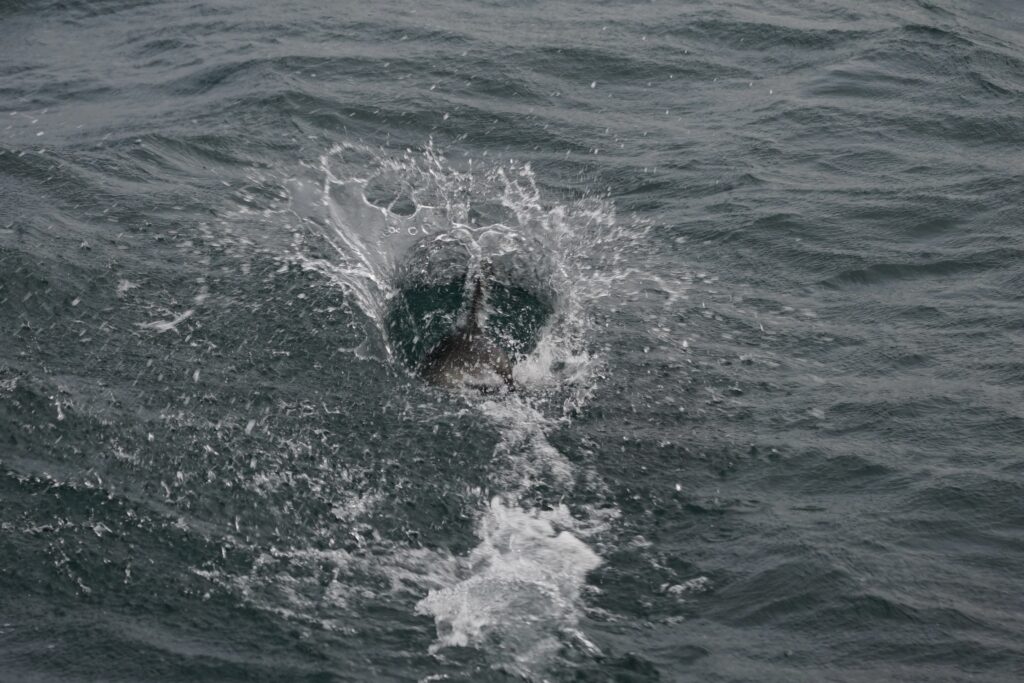
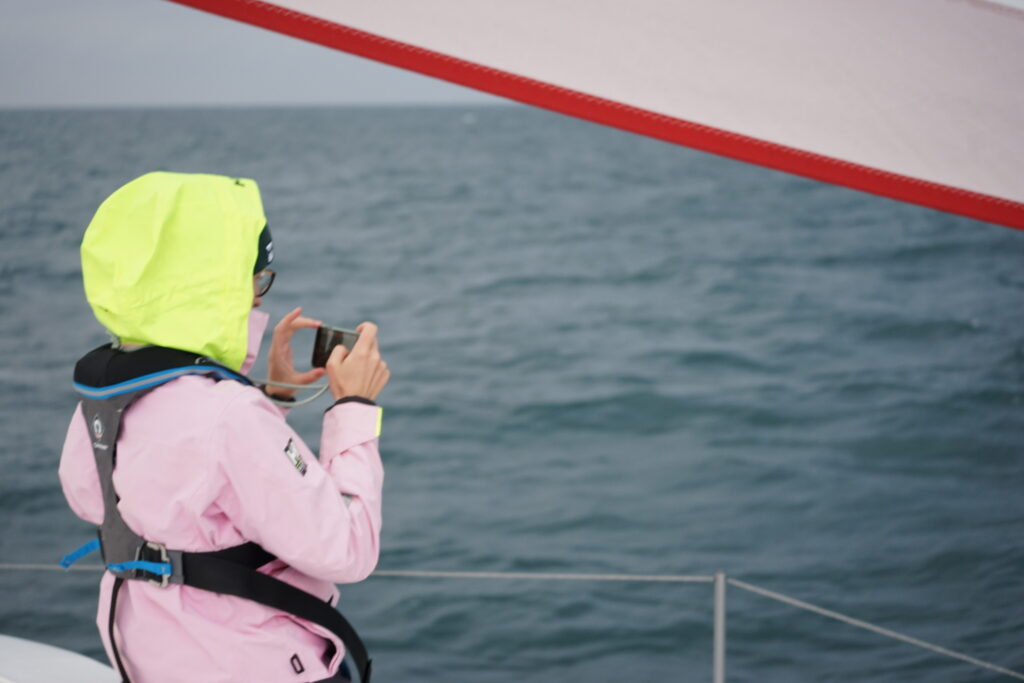
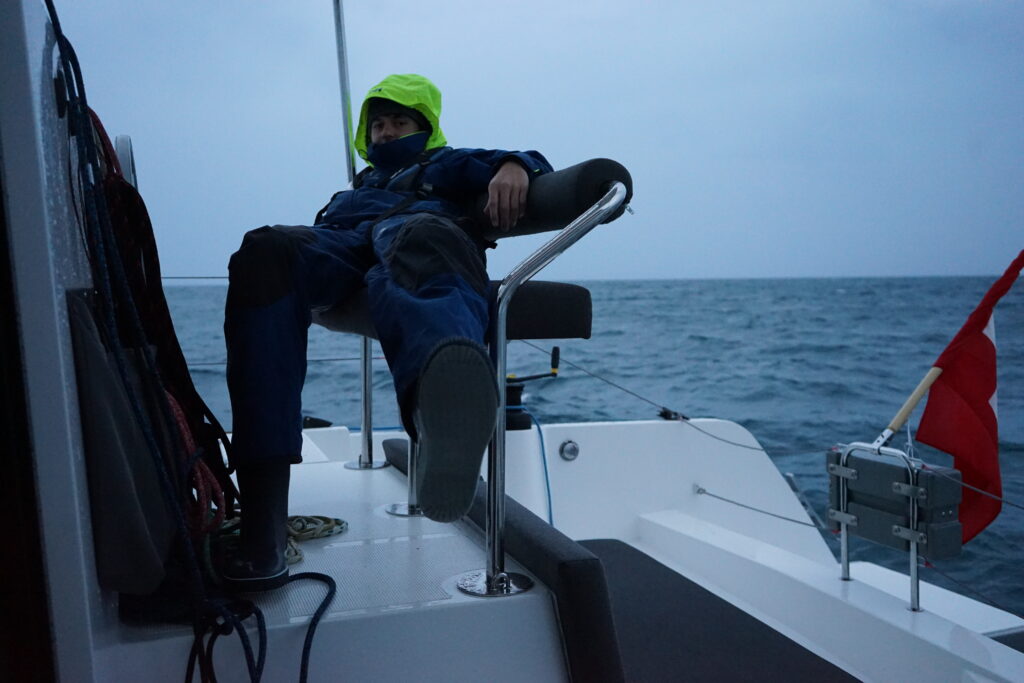
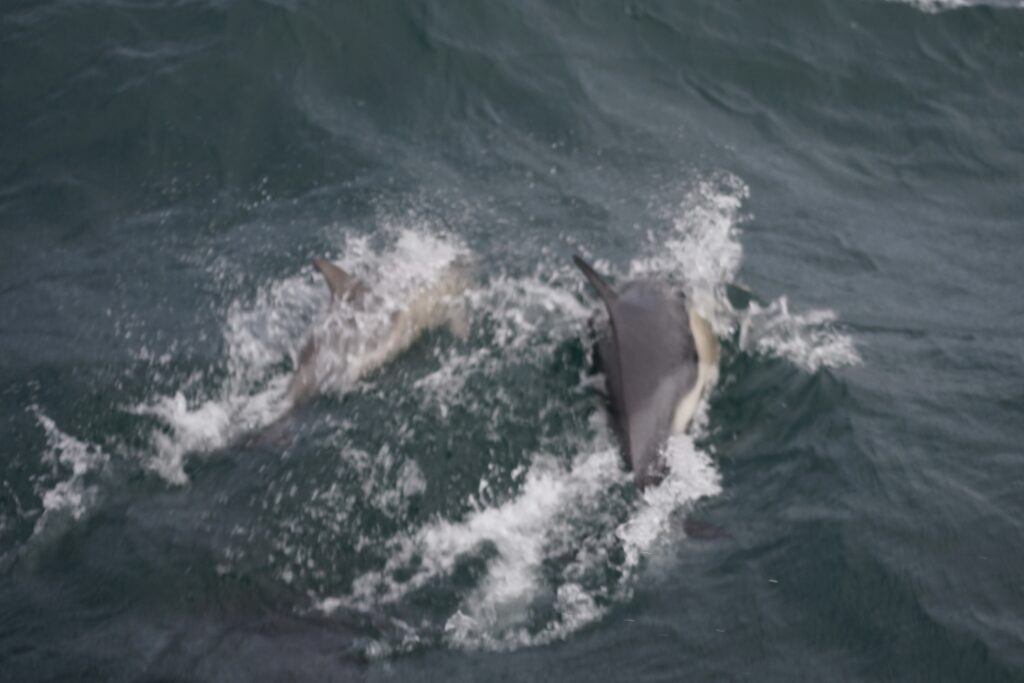
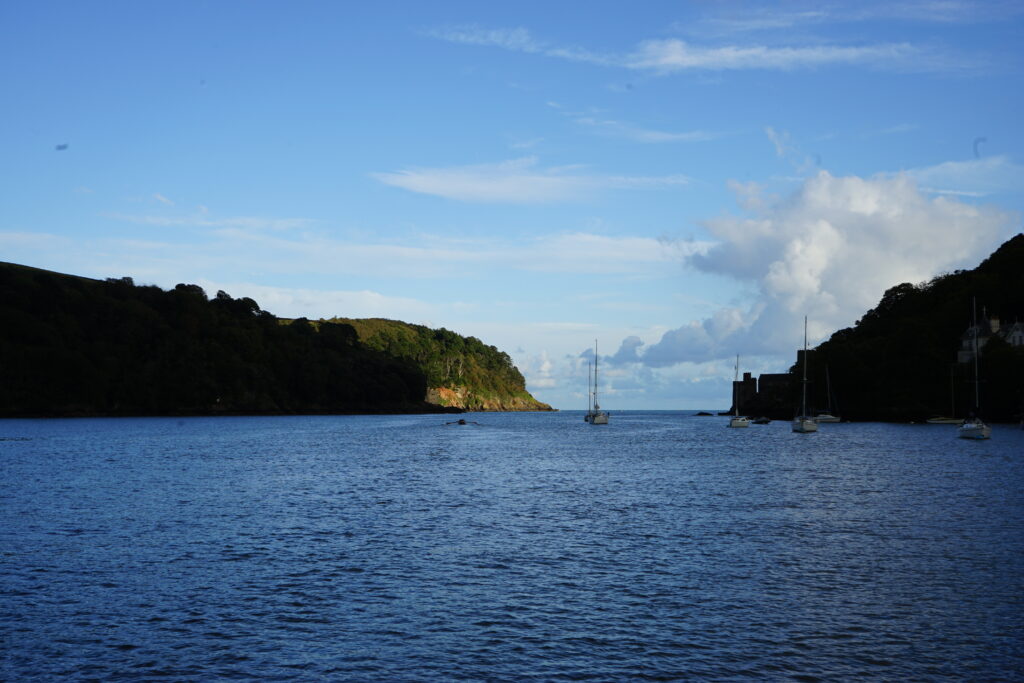
Once it got dark, the wind picked up and we hoisted our sails again. We were cruising along with over 7 knots of average speed and keeping a watch in 2 hour shifts. With only 1-1.5 m of waves, we had a quite pleasant night of sailing. Arriving very tired at the mouth of Dart River the next morning we were greeted by a large pod of dolphins with loads of baby dolphins for the first time. We were quite in awe as they followed us for over 10 minutes. It was the first time we saw dolphins that close to us and it was an amazing experience that we will not forget so quickly.
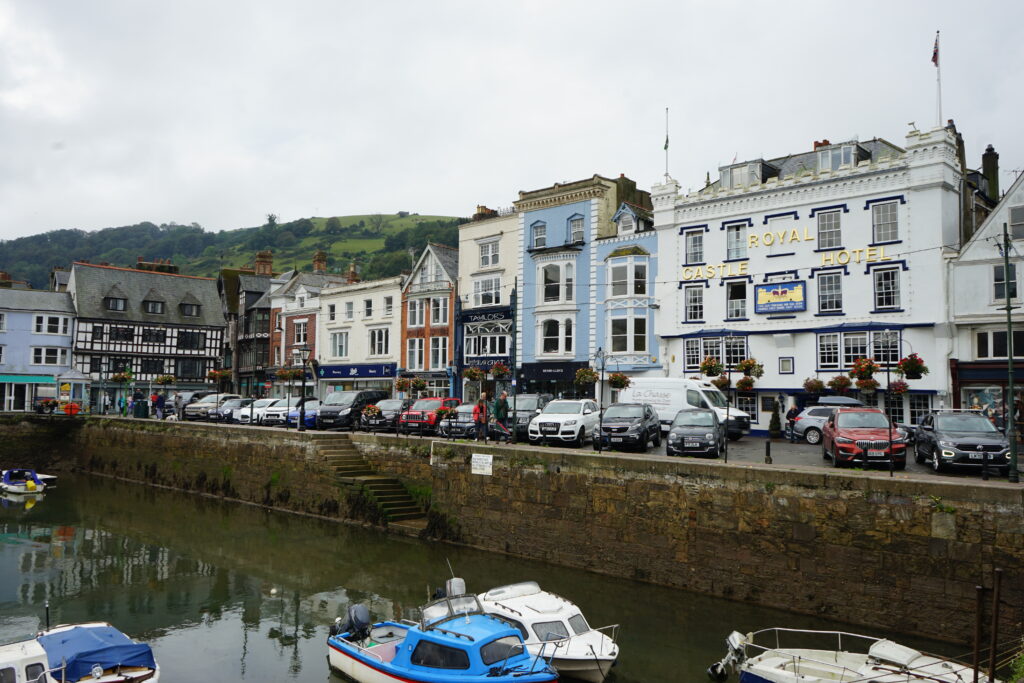
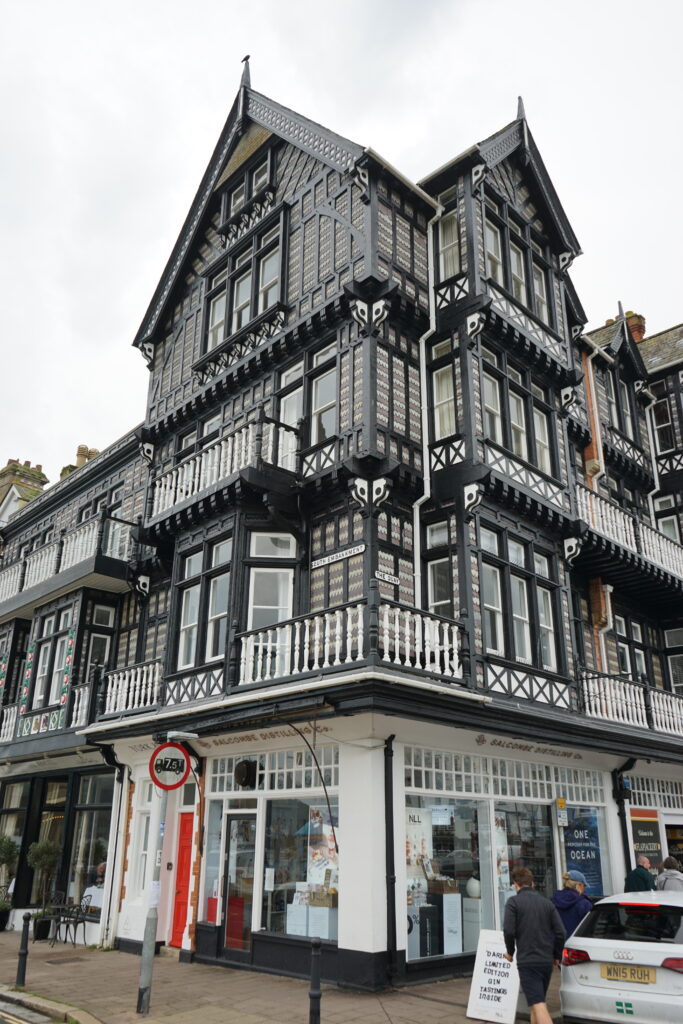
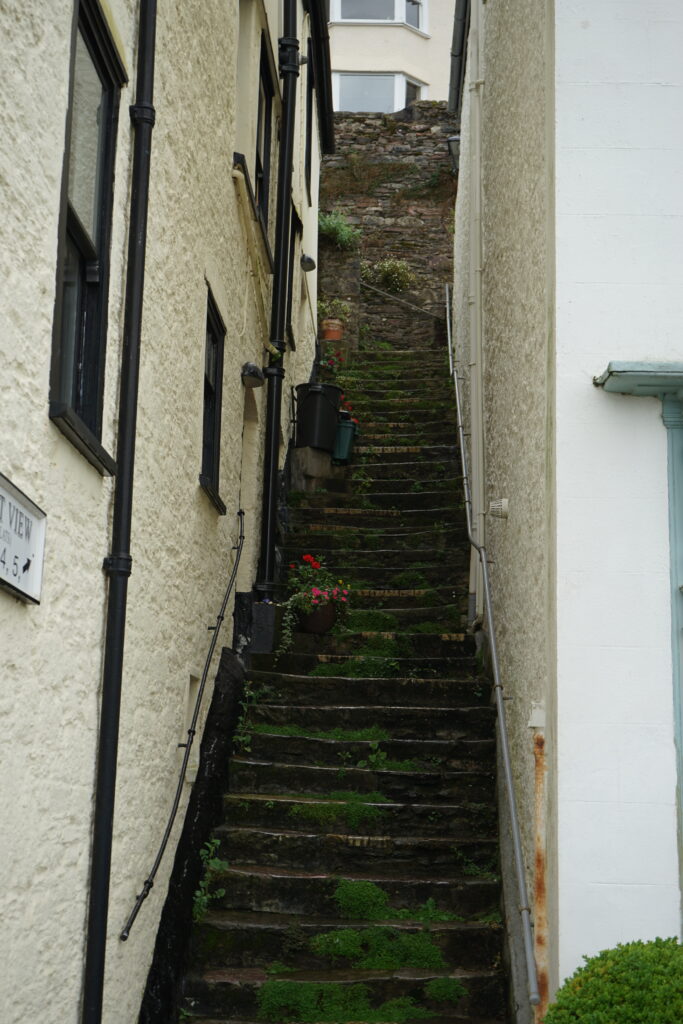
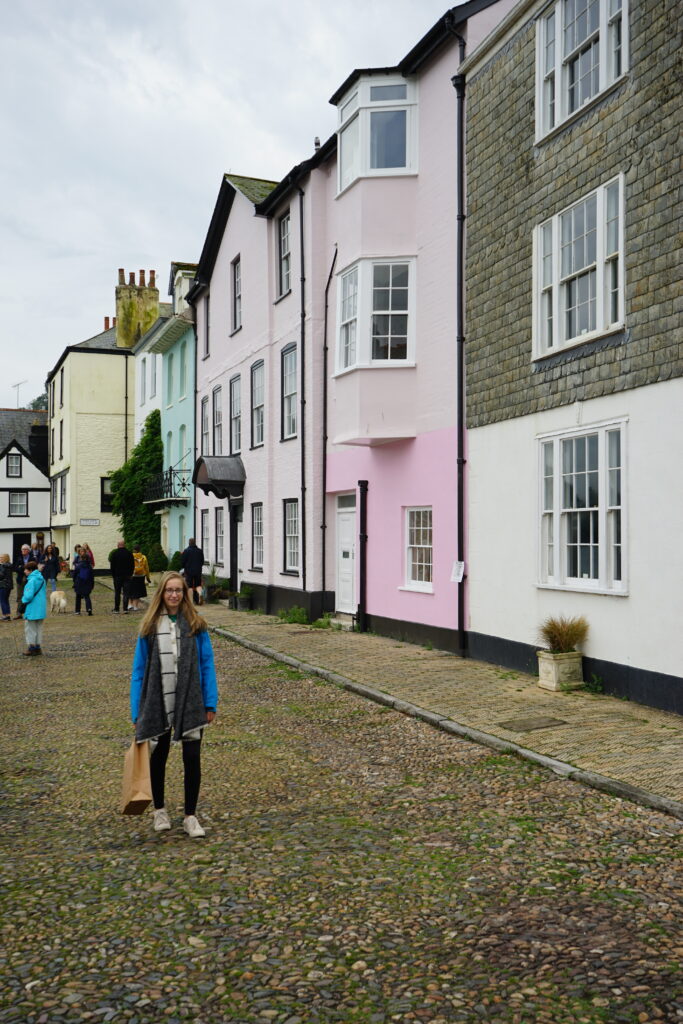
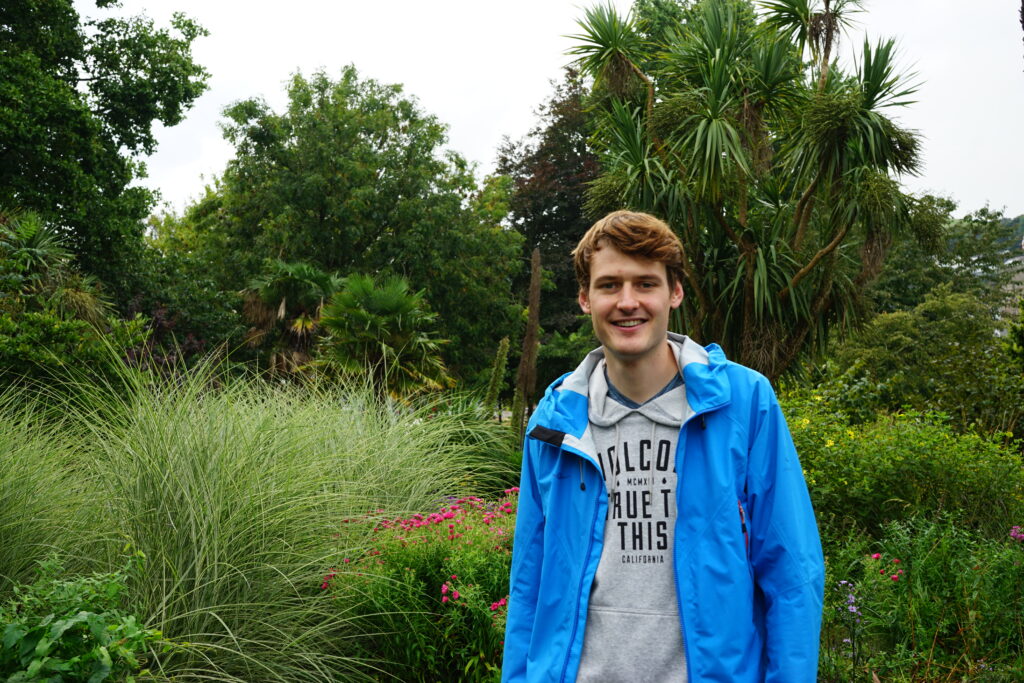
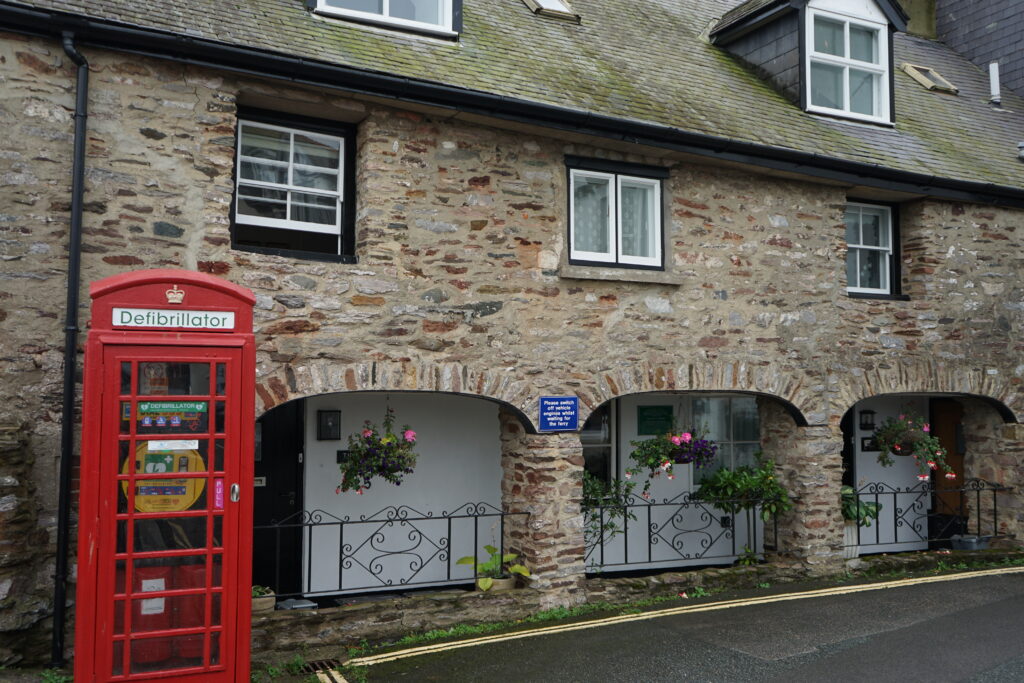
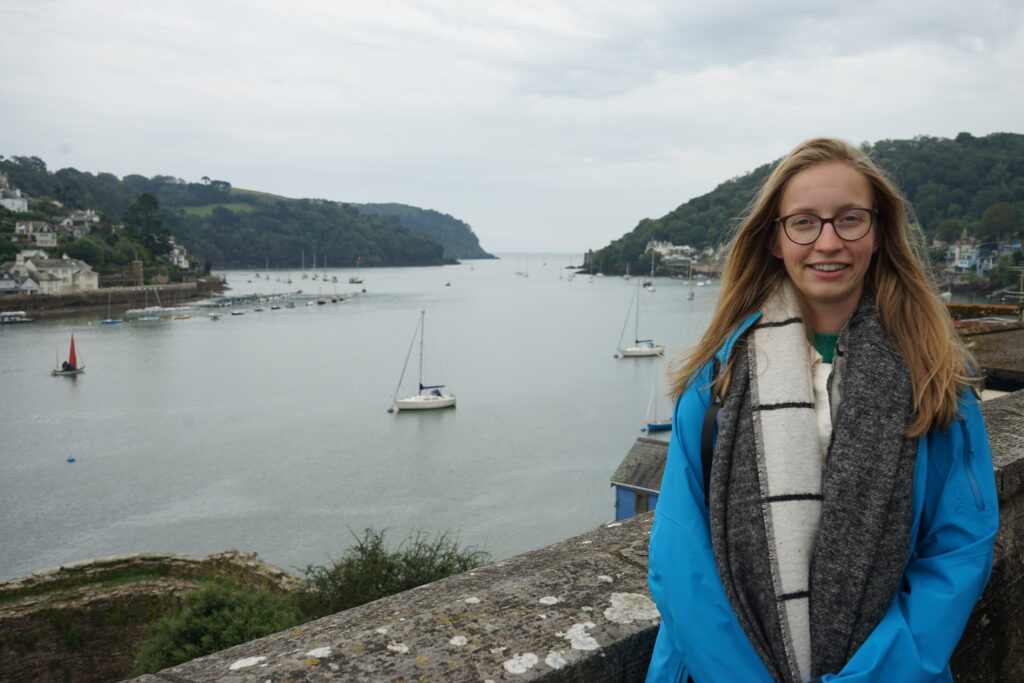
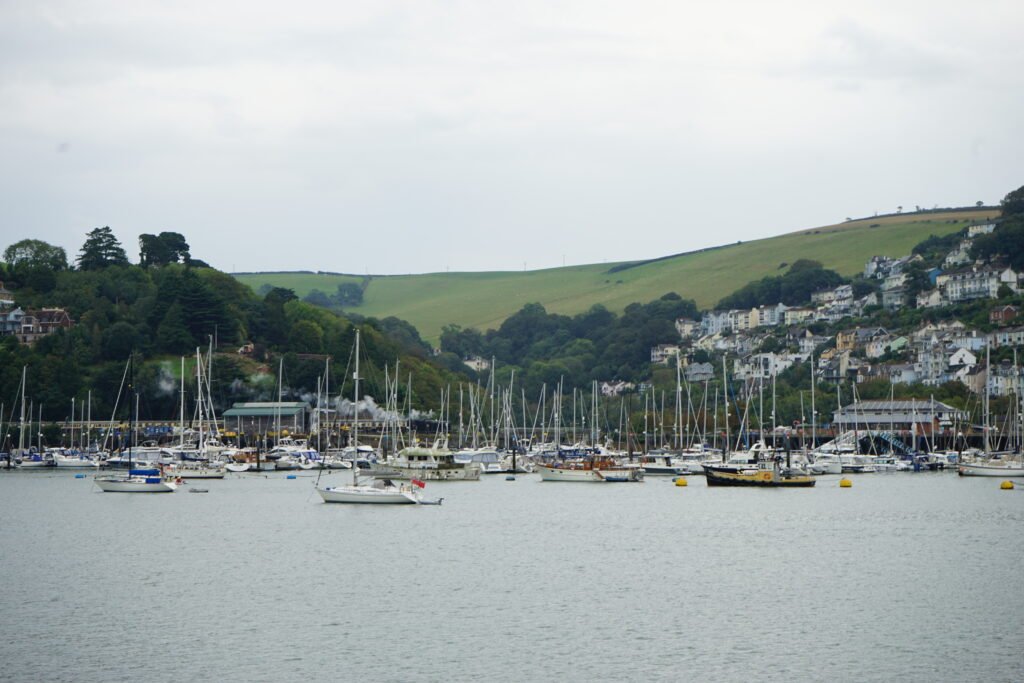
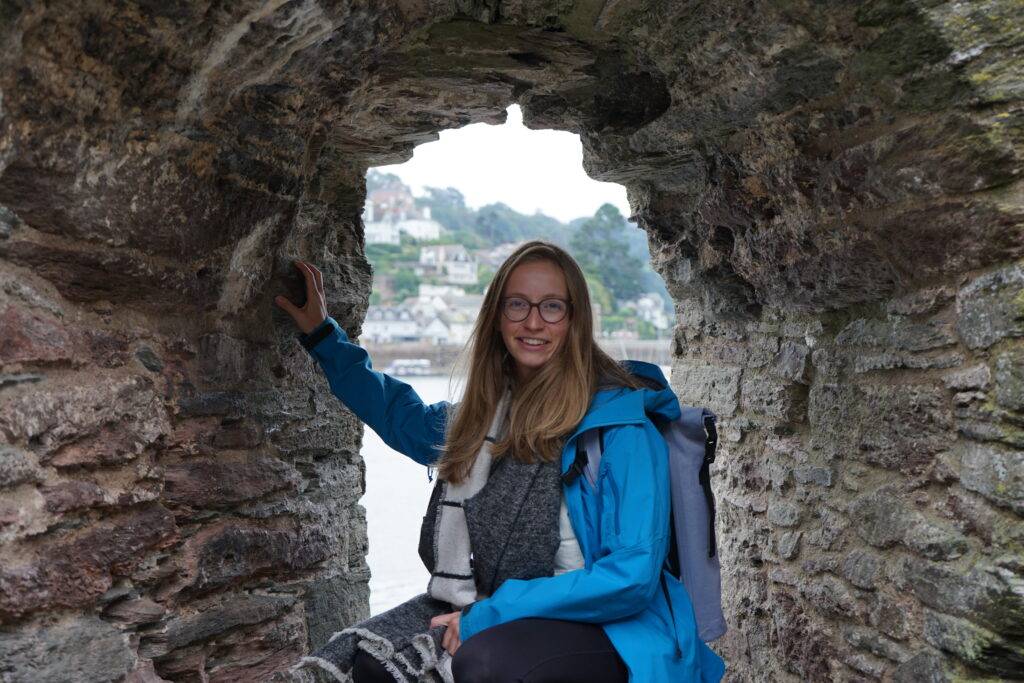
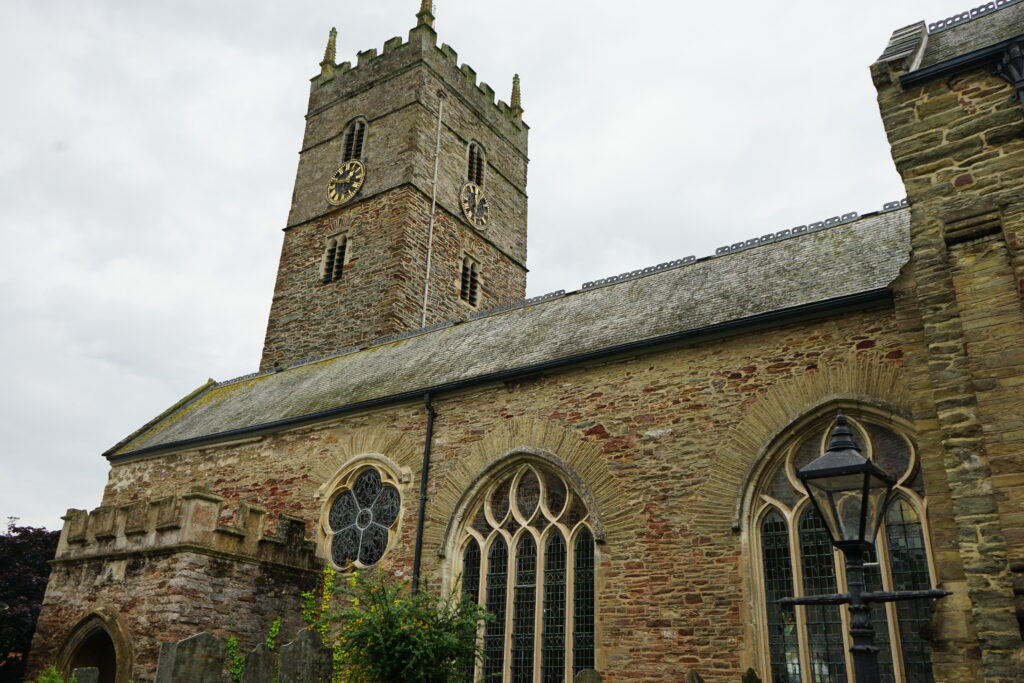
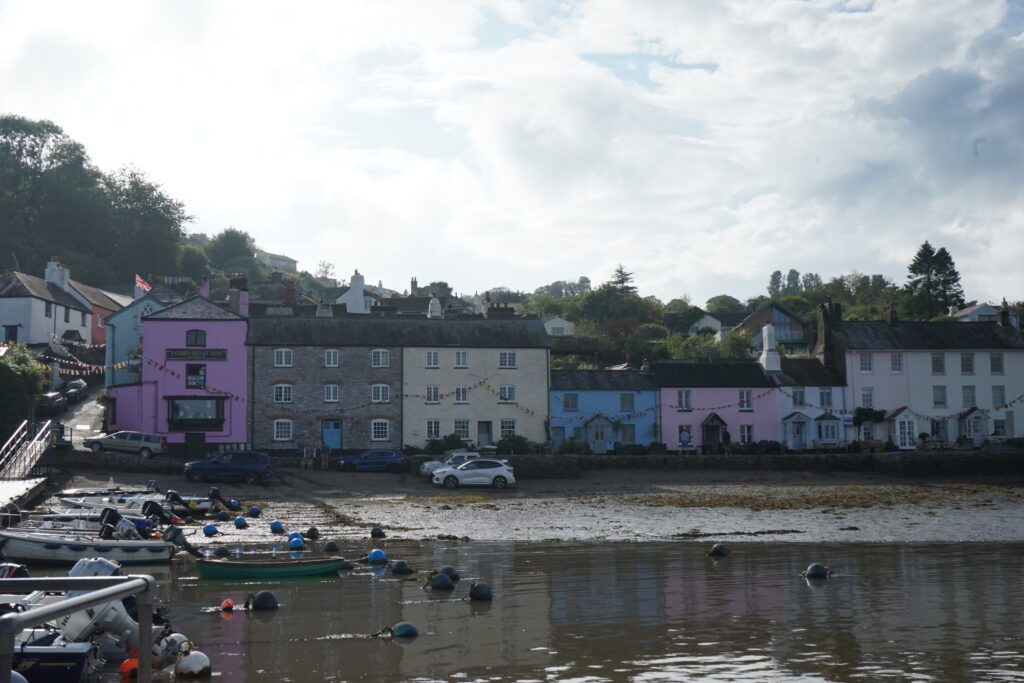
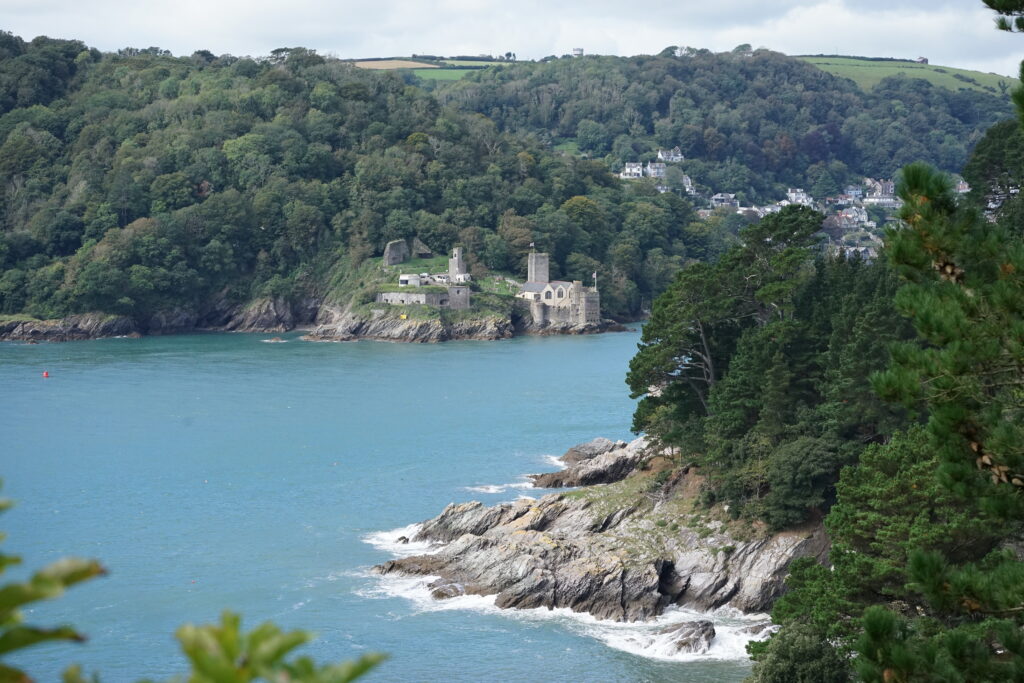
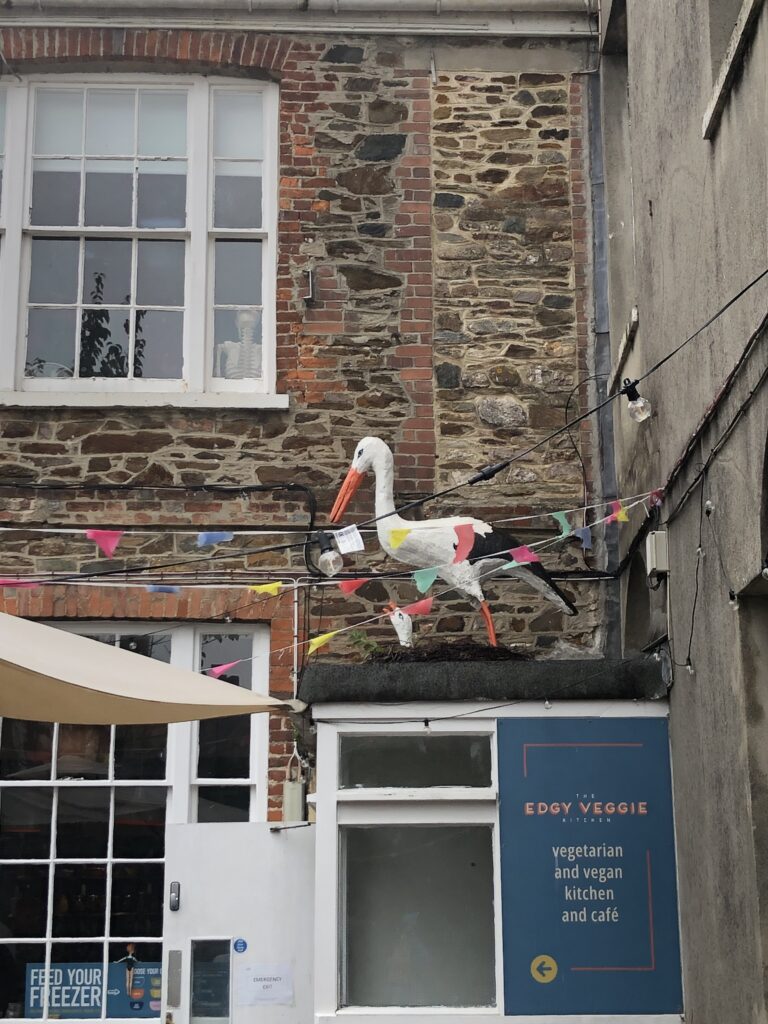
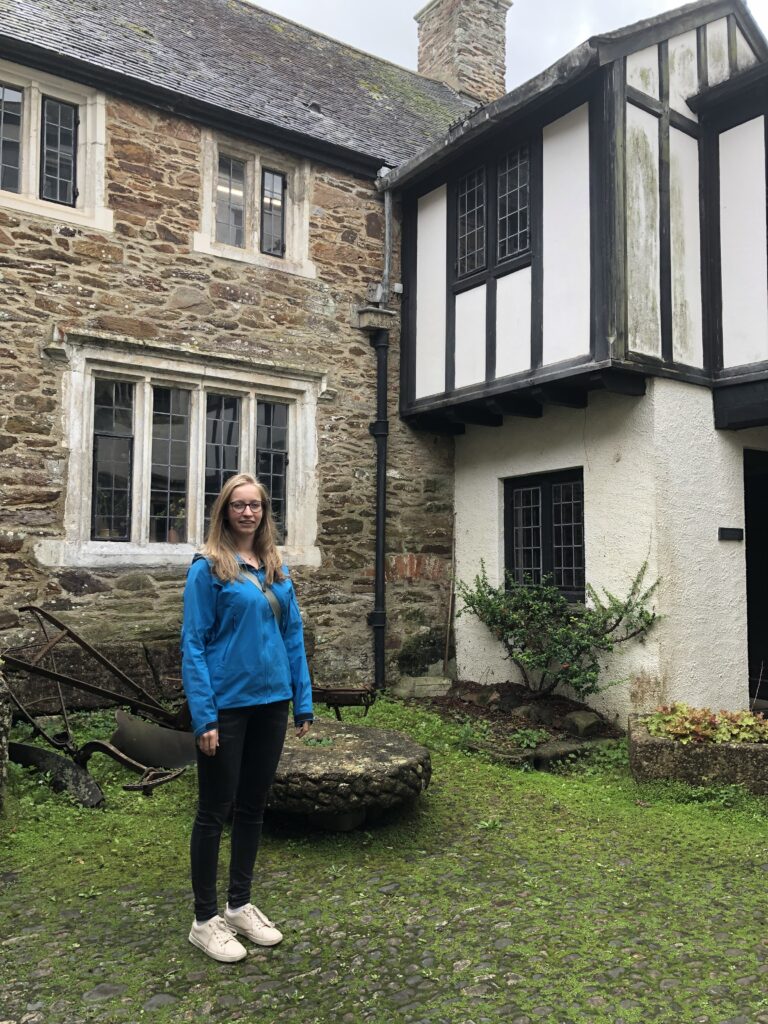
We then moored on a floating pontoon which was assigned to us by the harbour master in the middle of Dart River. Thinking we would be heading off again in only one or two days, we took the water taxi to explore the town right away, although feeling very sleepy. Dartmouth with its beautiful river and surrounding valley with old oak forests is really worth a visit. We went to the local museum, strolled through the old streets of Dartmouth, and went into a couple of shops, but the missed night’s sleep made itself known.
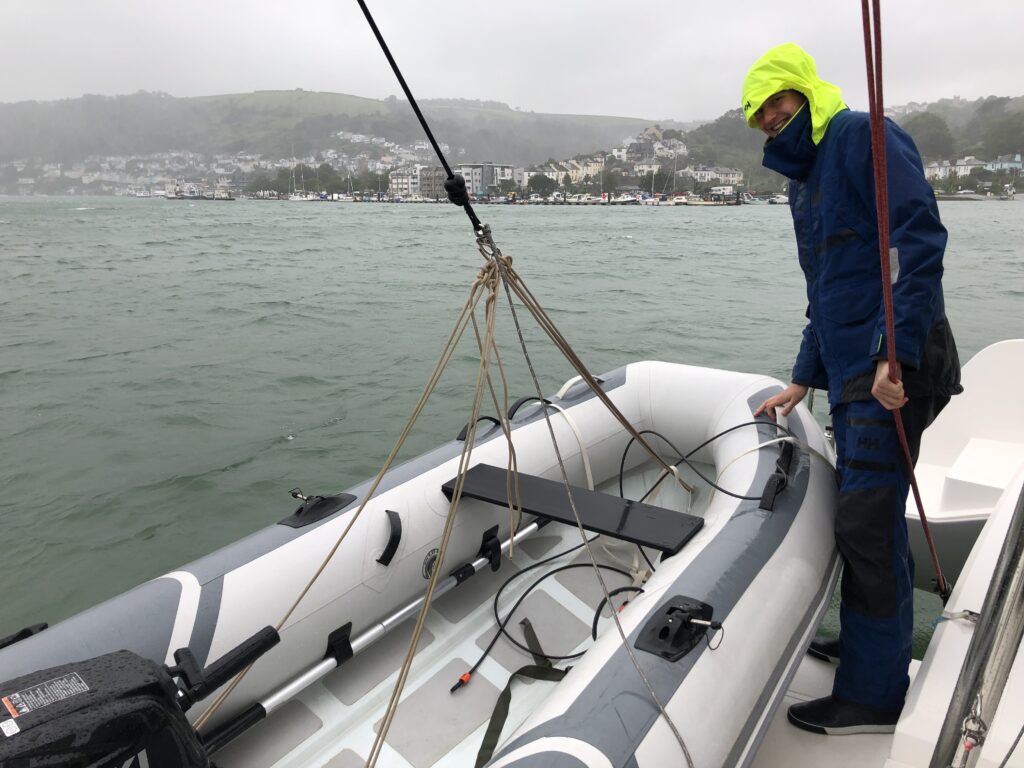
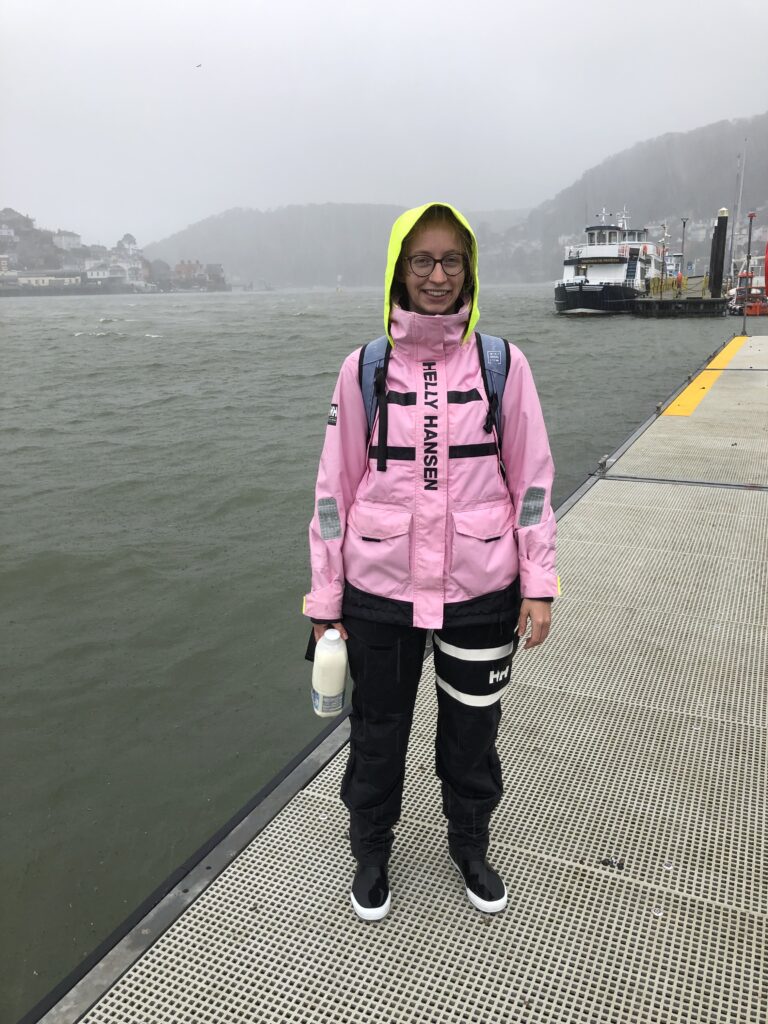
It turned out that the weather was getting even worse than expected. The next day it was raining all day so we had to scoop out 200 litres (yes, we counted) of rainwater from our dinghy. Looking at the weather predictions we saw that a huge storm was approaching from the North Atlantic, soon after followed by the next and the next. It seemed like we were going to be trapped for a while. Luckily for us, it was a very nice place to be stuck in and there were a lot of things to do in the area.
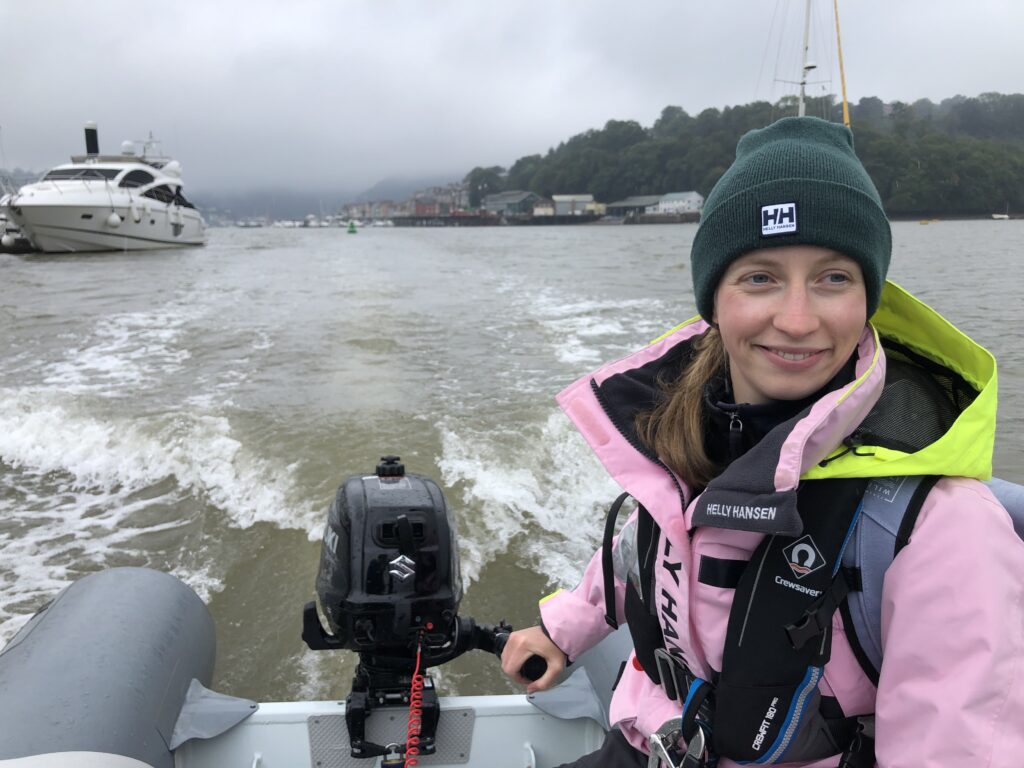
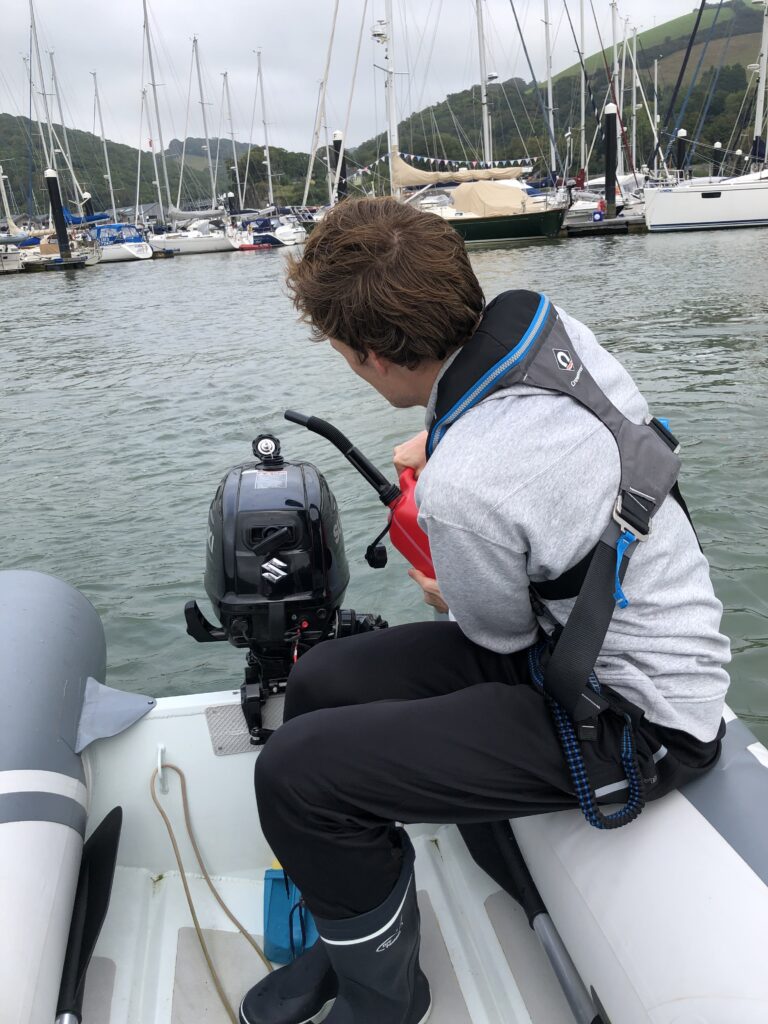
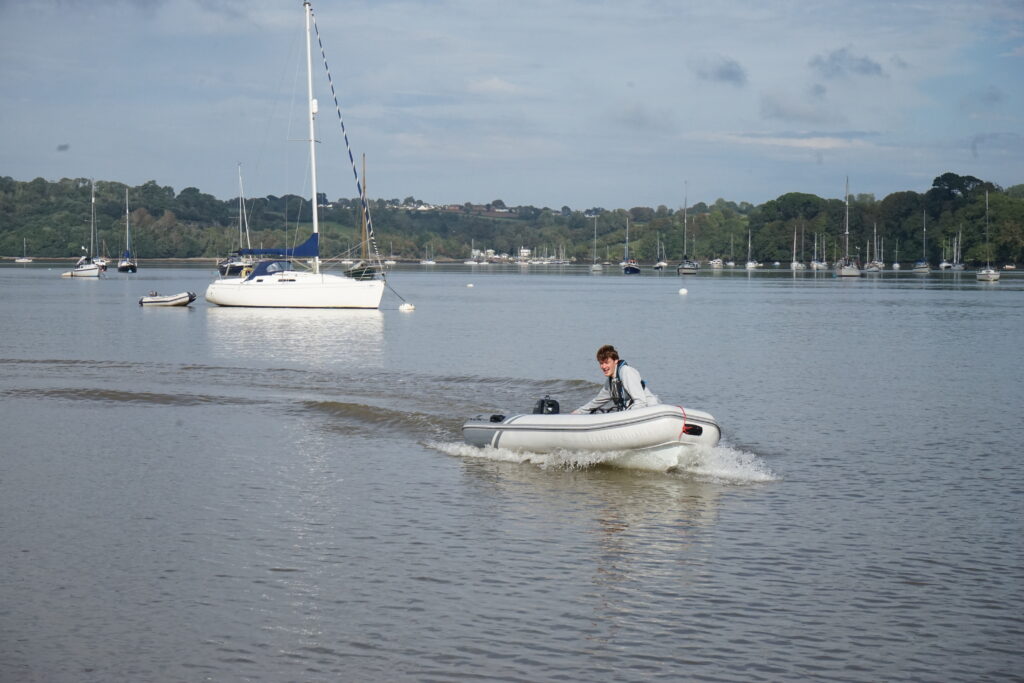
One day we took our dinghy for a test drive and went upstream to Dittisham, a small village where we found a very cosy pub for lunch. On the way back we ran out of fuel, but thinking this might happen we luckily brought a canister of petrol. Drifting quickly in the strong tidal streams we refuelled our outboard and it started again before we crashed into any other moored yachts.
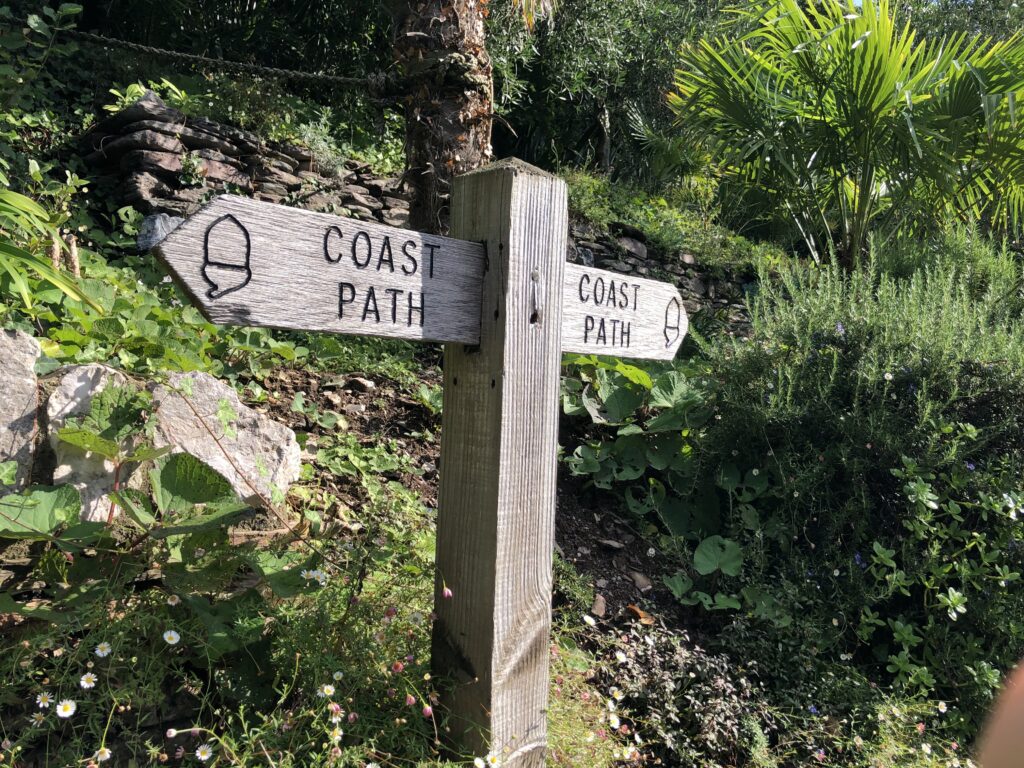
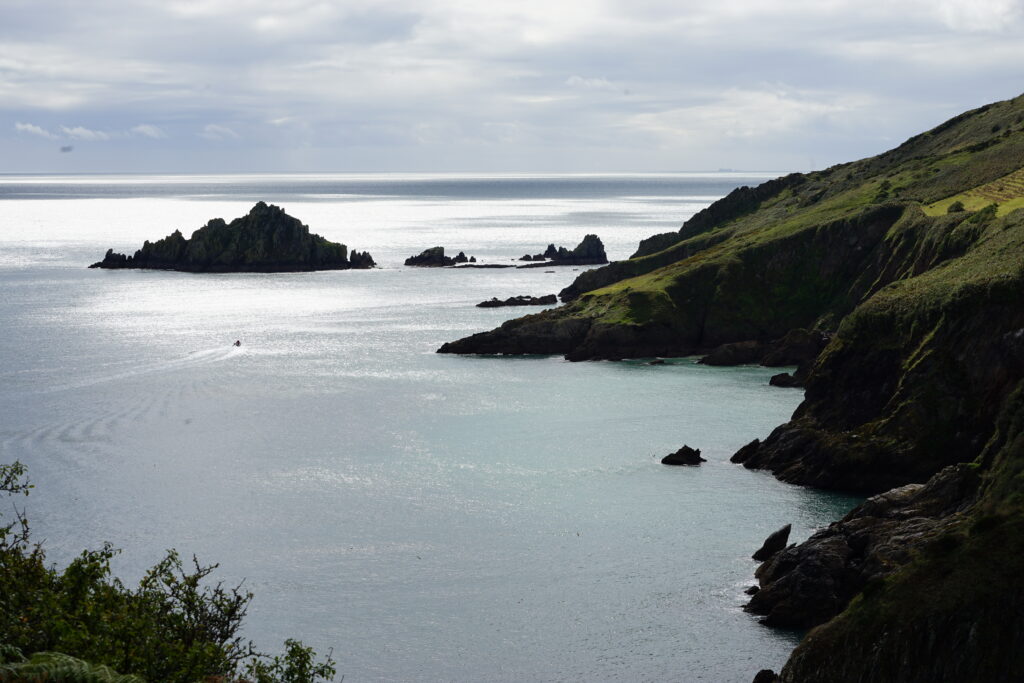
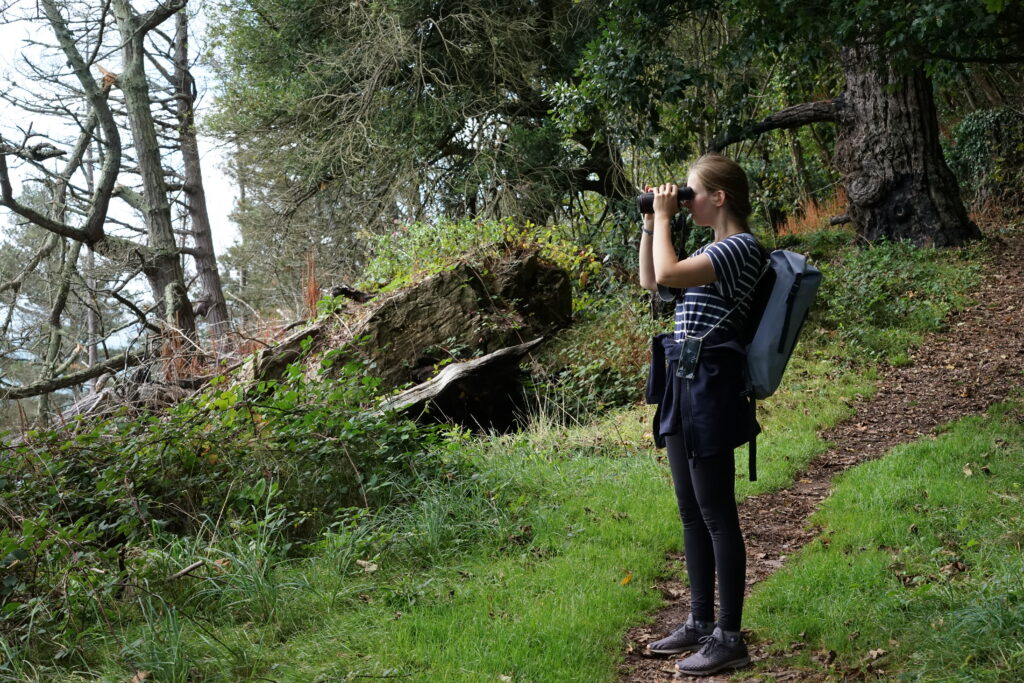
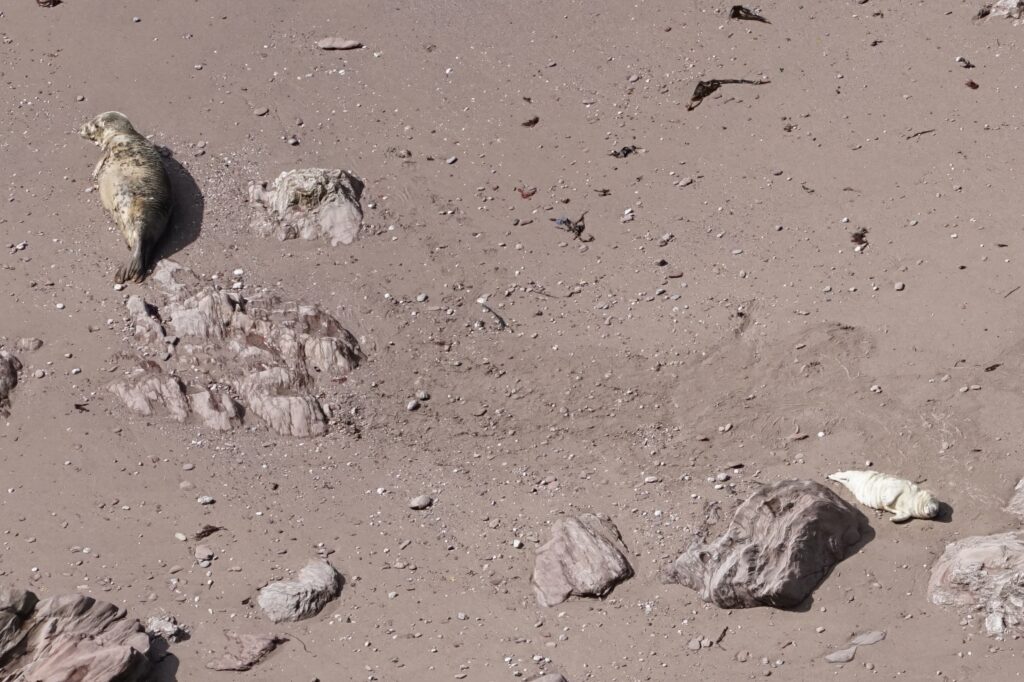
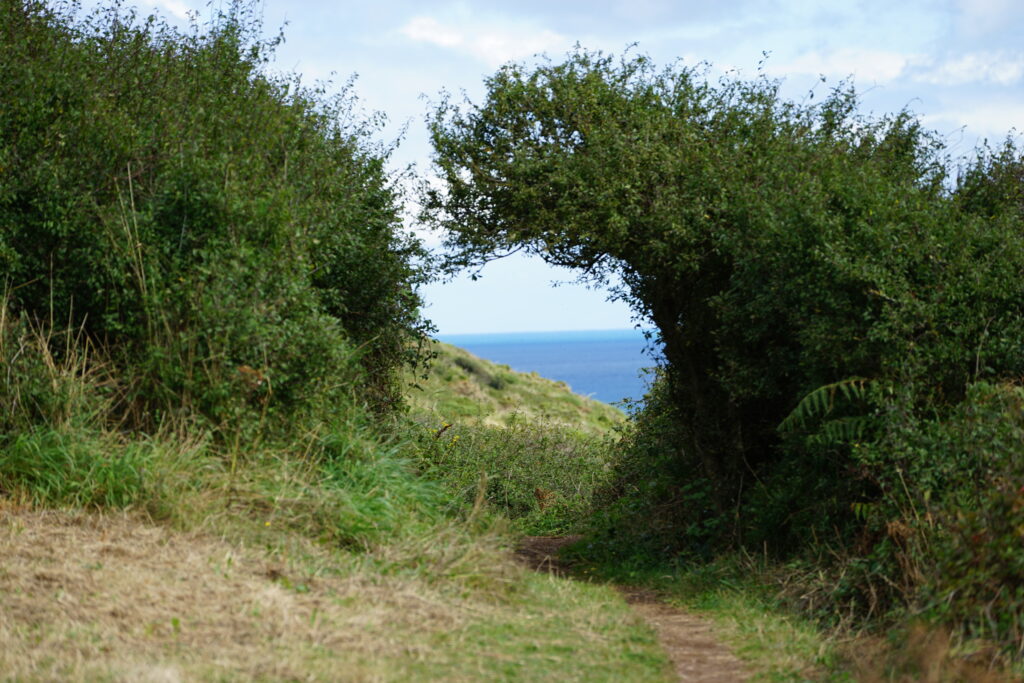
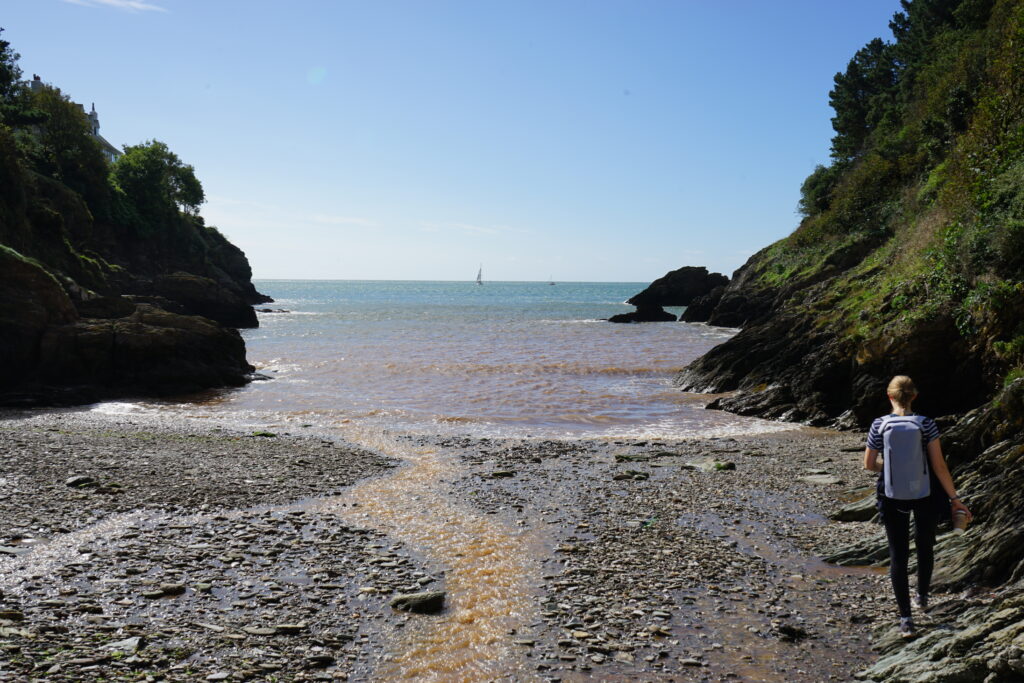
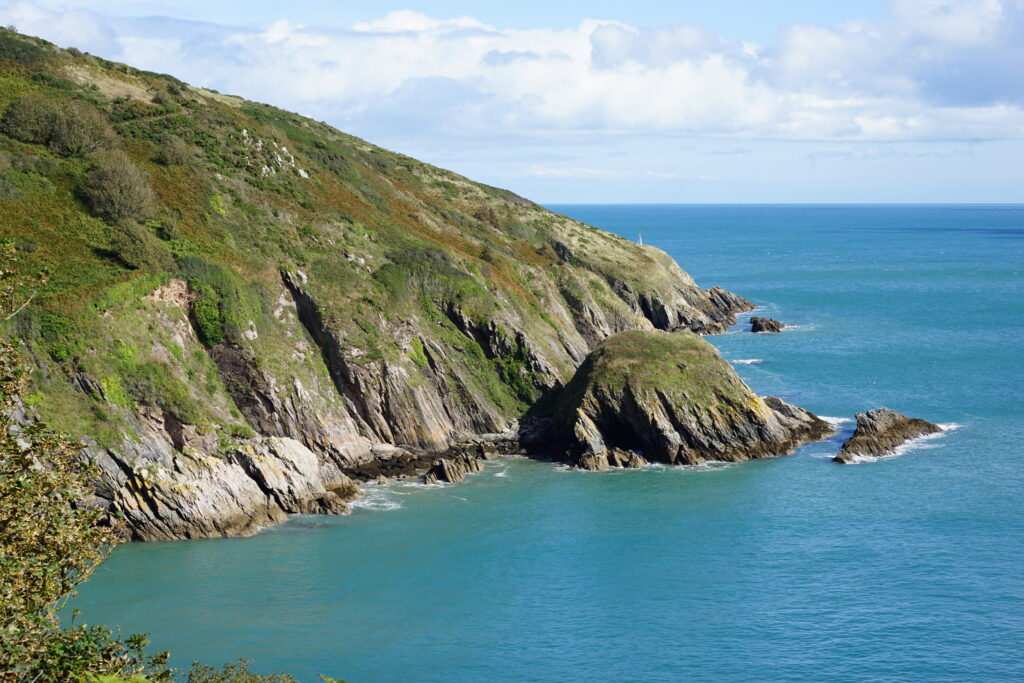
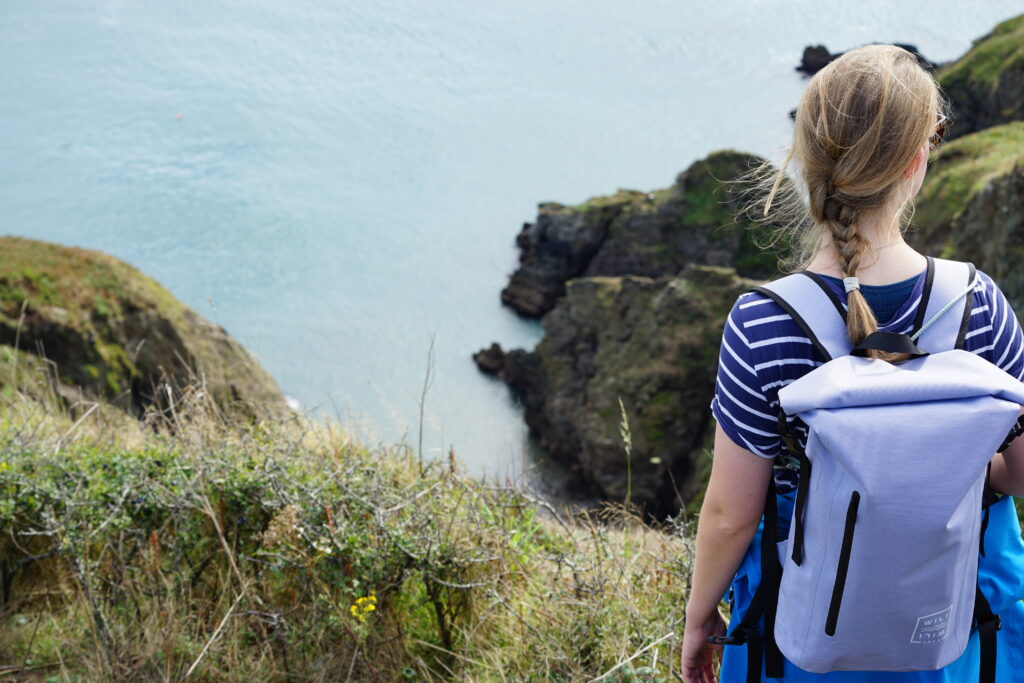
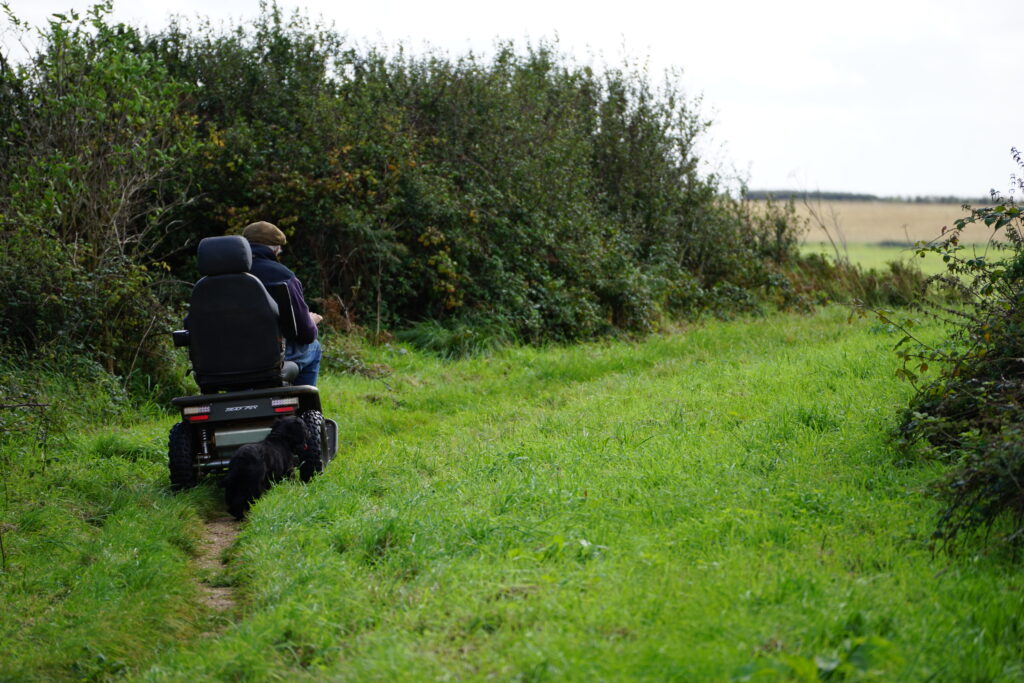
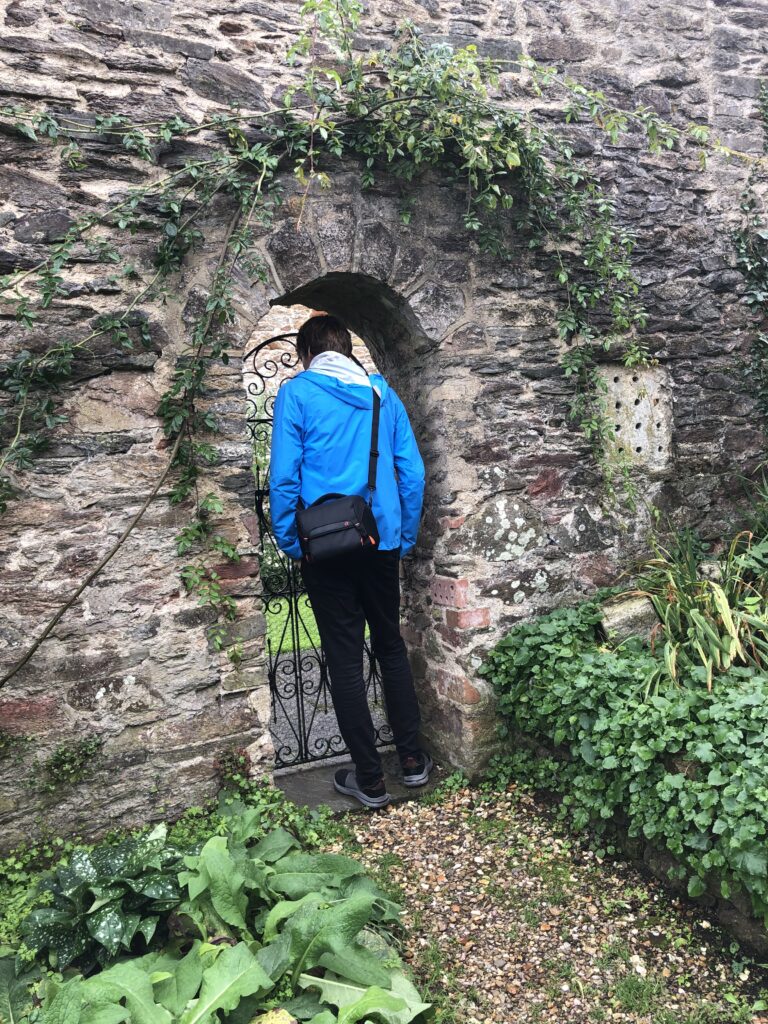
The next day we went for a walk on the southwestern Coast Path. We planned a 5-hour walk eastwards to Brixham. It turned out that bringing our camera with the tele-zoom lens and our binoculars slowed us down quite a bit as there was a lot of wildlife to observe. But we saw and heard many different birds, saw two buzzards chasing after rabbits and even a mother seal with its one-week-old pup sunbathing and digesting on the beach. We had a look out over the sea at a voluntary coastguard station where two very nice old gentlemen told us everything about the local wildlife. We ended our very strenuous walk at Mansands bird hide, Jenny’s highlight of the day!
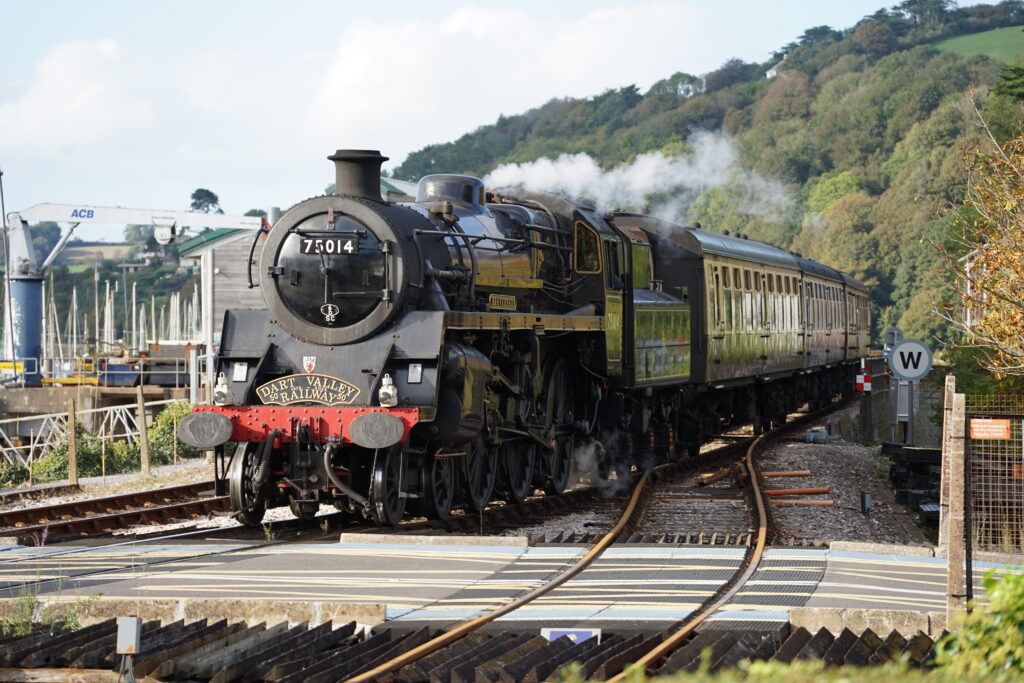
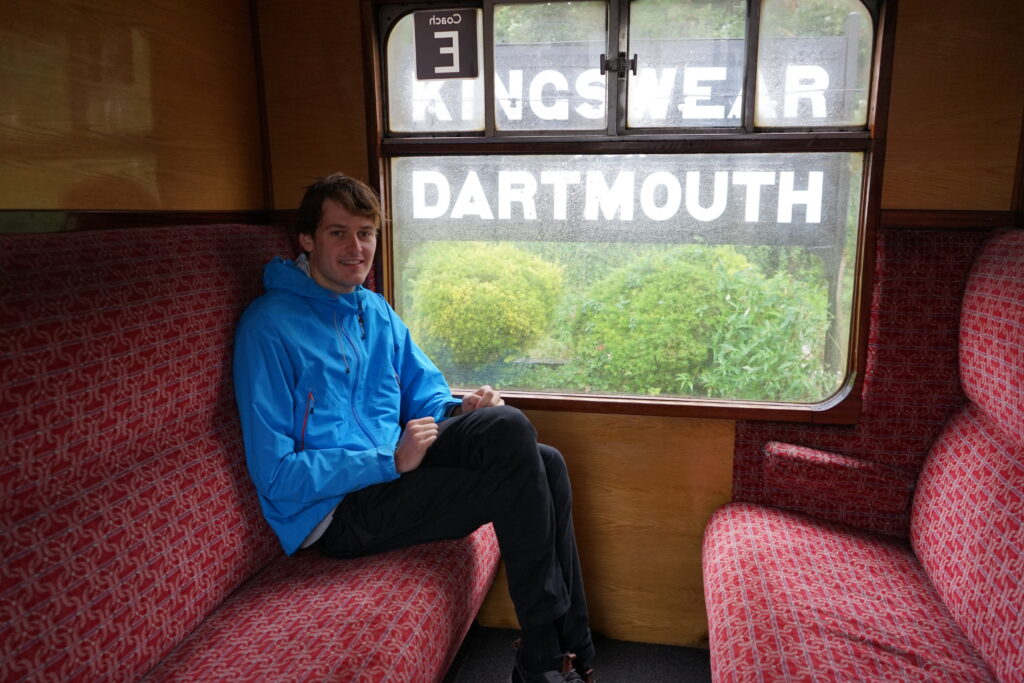
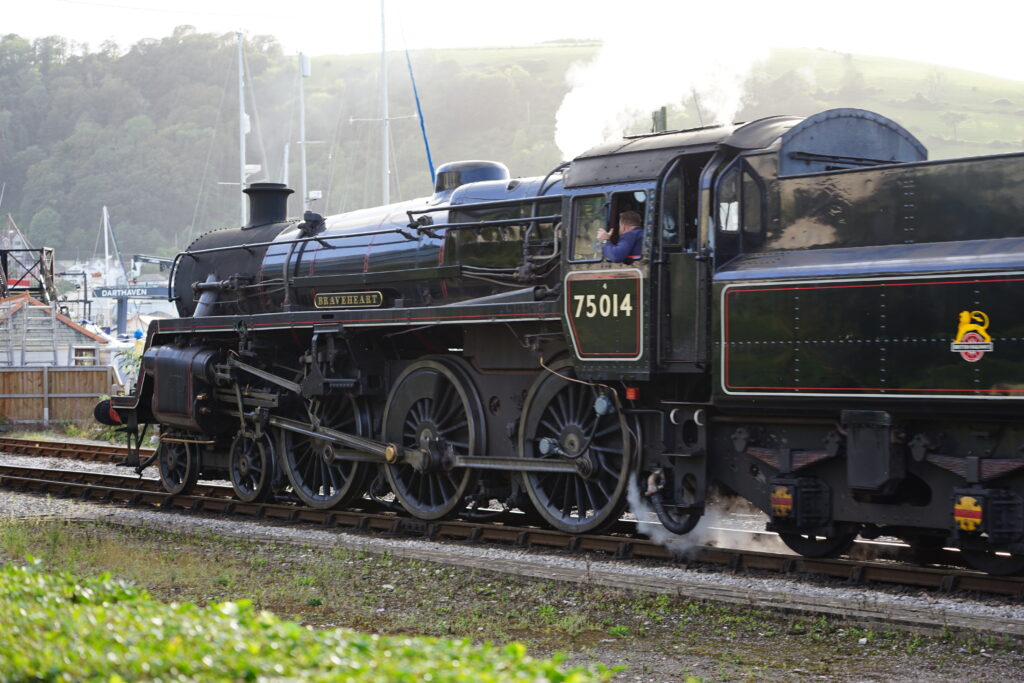
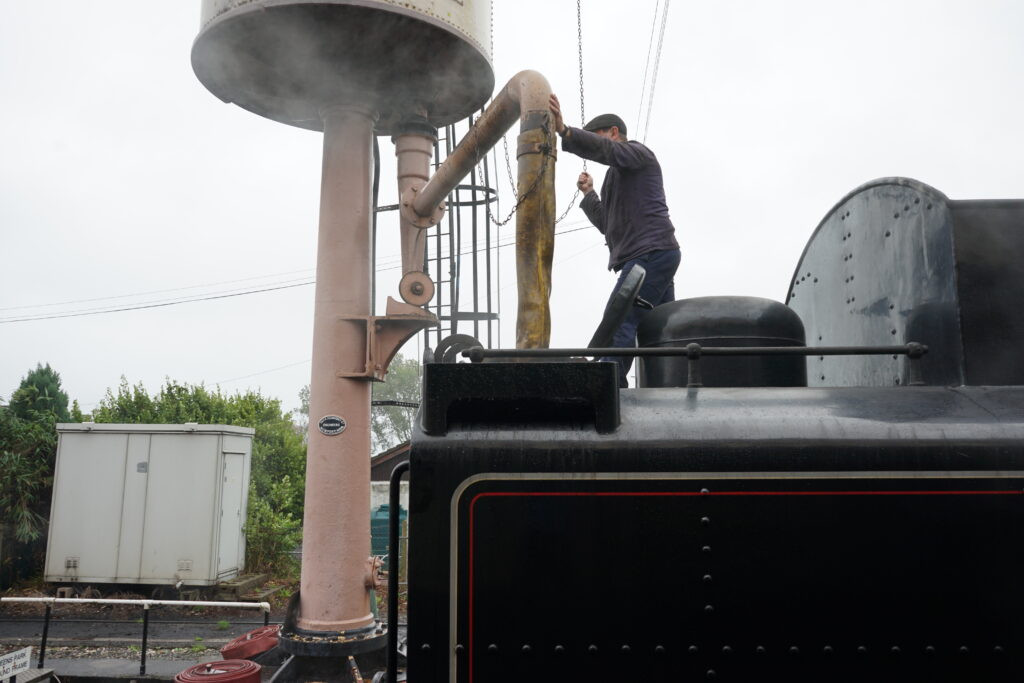
Another day we went on the old steam train of the Great Western Railway which runs between Dartmouth and Paignton. The hourly whistling as the train drove past our mooring, and the fact that we had never seen a working steam train (other than in museums), was reason enough to book a ride from Dartmouth to Paignton. The train ride was a great experience! They had to take off the locomotive at the station and bring it to the other end of the train, shovel the coal and fill the locomotive with water. The carriages were all still from the time the railway was in normal use with old compartments, we really felt like we were on our way to Hogwarts on the Hogwarts Express. From Paignton, we took a bus to Totnes, which is another beautiful little town (similar but in our opinion not quite as nice as Dartmouth). Our favourite place there was the amazing East Gate Bookshop where we equipped ourselves with some more readings for our crossings.
2 thoughts on “Sailing to Dartmouth – 15.09.-20.09.2023”
Dabi
Schon jetzt scheint Ihr so viel Interessantes und Tolles erlebt und gesehen zu haben – dabei seid Ihr immer noch in England :)! Klingt grossartig!
Meine Lieben Seefahrer,
Als wir gestern im Flugzeug über dem Atlantik so richtig durchgeschüttelt wurden, dachte ich: lieber in der Luft als auf der Tremoggia 😀
Eine gute, ruhige Fahrt wünscht Euch
Tante K. (wieder in Jona. Apropos Jona: lasst euch von keinem Fisch verschlucken)

Schon jetzt scheint Ihr so viel Interessantes und Tolles erlebt und gesehen zu haben – dabei seid Ihr immer noch in England :)! Klingt grossartig!
Meine Lieben Seefahrer,
Als wir gestern im Flugzeug über dem Atlantik so richtig durchgeschüttelt wurden, dachte ich: lieber in der Luft als auf der Tremoggia 😀
Eine gute, ruhige Fahrt wünscht Euch
Tante K. (wieder in Jona. Apropos Jona: lasst euch von keinem Fisch verschlucken)